Running a small business involves making decisions every day, and those decisions are far more ef
... fective when they are backed by reliable data. Whi...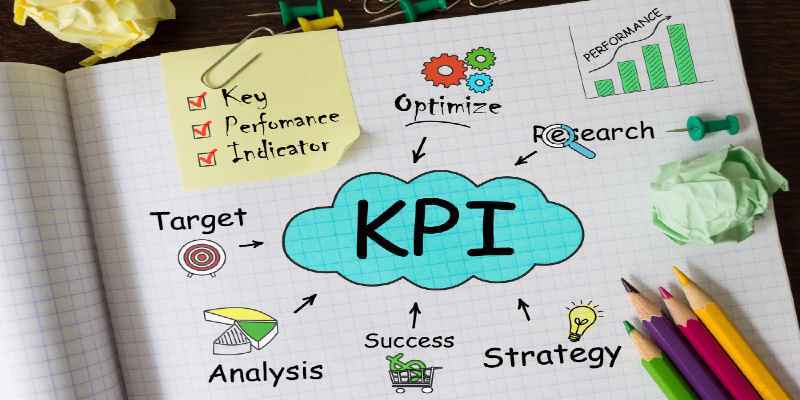

Running a small business involves making decisions every day, and those decisions are far more effective when they are backed by reliable data. While experience and intuition certainly play a role, numbers provide a clearer picture of how a business is performing. This is where Key Performance Indicators (KPIs) become valuable. They allow business owners to measure progress, identify challenges, and make informed decisions that support long term growth.
Rather than tracking every available metric, it is more practical to focus on the KPIs that directly influence profitability, customer satisfaction, and operational efficiency. Regularly monitoring these indicators helps owners stay on top of business performance, respond quickly to market changes, and make strategic improvements. This article will provide you with 7 KPIs every small business owner should track. Whether you are managing a growing startup or preparing a business for sale London, understanding these KPIs can significantly improve business value and sustainability.
1. Monitor Revenue Growth to Measure Business Performance

Revenue growth is one of the most fundamental KPIs because it shows whether the business is generating more income over time. Comparing monthly, quarterly,or yearly sales figures helps identify trends and reveals whether marketing campaigns, pricing strategies or product launches are producing positive results. Consistent revenue growth is a strong indicator, that the business is attracting customers and expanding successfully.
However, revenue should always be analysed alongside external and internal factors. Seasonal fluctuations, economic conditions and customer demand can all influence sales performance. If growth begins to slow, business owners should investigate the reasons by reviewing customer feedback, evaluating competitors, or assessing marketing effectiveness. Understanding these patterns allows businesses to make timely adjustments before small issues become larger problems.
2. Track Gross Profit Margin to Improve Profitability
Gross profit margin measures, how much profit remains, after deducting the direct costs associated with producing goods or delivering services. It is expressed as a percentage of revenue and provides valuable insight into how efficiently the business operates. Strong sales figures may seem encouraging, but if production or operating costs continue to rise; overall profitability can still decline.
Reviewing gross profit margin regularly helps owners identify increasing supplier costs, pricing issues, or inefficient production processes. Small improvements such as negotiating better supplier contracts, reducing waste, or adjusting product pricing can have a significant impact on profitability. A healthy gross profit margin also strengthens the financial position of a business for sale in London, making it more attractive to investors or potential buyers.
3. Calculate Customer Acquisition Cost to Optimise Marketing Spend
Customer Acquisition Cost (CAC) measures how much it costs to gain each new customer. This includes advertising expenses, marketing campaigns, sales commissions, promotional offers, and other customer acquisition efforts. Tracking this KPI helps businesses determine whether their marketing investments are generating a worthwhile return.
When acquisition costs begin increasing without a corresponding rise in revenue then it may indicate that marketing strategies need adjustment. Business owners can compare different marketing channels to determine which ones deliver the highest quality leads at the lowest cost. Focusing on effective channels not only improves marketing efficiency but also ensures that business growth remains sustainable over the long term.
4. Improve Customer Retention for Long Term Business Success

Customer retention rate measures the percentage of customers who continue doing business with a company over a specific period. Retaining existing customers is generally far less expensive than constantly acquiring new ones. A high retention rate indicates customer satisfaction, trust, and loyalty, all of which contribute to stable and predictable revenue.
Improving customer retention often requires consistent communication and excellent service rather than large marketing budgets. Following up after purchases, responding quickly to enquiries, offering loyalty programs and seeking customer feedback all help strengthen relationships. Loyal customers are also more likely to recommend the business to others through positive word of mouth, creating additional growth opportunities without significant marketing costs.
5. Manage Cash Flow to Maintain Financial Stability
Cash flow refers to the movement of money into and out of the business. Even profitable businesses can face financial difficulties, if cash is not available when needed. Positive cash flow ensures that a business can pay employees, purchase inventory, cover operating expenses and invest in future opportunities without financial strain.
Monitoring cash flow statements regularly, helps identify periods when expenses exceed incoming revenue. This allows business owners to plan ahead, by adjusting spending, improving invoice collection processes or building cash reserves. Maintaining healthy cash flow provides greater financial stability and reduces the risk of unexpected disruptions that could affect day to day operations.
6. Analyse Inventory Turnover to Reduce Holding Costs
Inventory turnover measures how efficiently inventory is sold and replaced within a specific period. A higher turnover rate generally indicates strong product demand and efficient inventory management, while a low turnover may suggest overstocking or declining customer interest. Proper inventory control helps businesses reduce storage costs and improve overall cash flow.
Regularly reviewing inventory data allows owners to identify slow moving products and adjust purchasing decisions accordingly. Businesses can also analyse seasonal buying trends to ensure they stock the right products at the right time. Efficient inventory management reduces waste, frees up working capital and improves customer satisfaction by ensuring popular products remain readily available.
7. Measure Employee Productivity to Boost Overall Efficiency

Employee productivity measures how effectively staff members use their time, skills, and resources to contribute to business objectives. A productive workforce completes tasks efficiently, delivers better customer service and helps the business operate more smoothly. Measuring productivity enables owners to identify strengths as well as areas where additional support or training may be needed.
Investing in employee development often leads to long term improvements in business performance. Providing regular training, setting clear performance expectations, recognising achievements, and equipping staff with modern tools can significantly boost motivation and efficiency. Businesses with highly engaged employees often experience better customer satisfaction, increased profitability, and stronger overall performance, making them more valuable if owners eventually consider listing the business for sale London.
Wrapping Up
Tracking these seven KPIs gives small business owners a clearer understanding of their company's overall performance. Instead of relying on assumptions; these measurable indicators provide valuable insights into revenue, profitability, customer behaviour, operational efficiency and employee performance. Reviewing these metrics regularly makes it easier to identify opportunities, solve problems early and make confident business decisions. While every business has unique goals, consistently monitoring the right KPIs creates a strong foundation for sustainable growth.

Building a brand from the ground up can be exciting and overwhelming at the same time. Budding entrepreneurs starting a limited company in the hotspots...

Would you rather build a business on your own terms or step into a proven model? For many investors, the choice between buying an independent business...





Business2Sell is one of the biggest and most trusted marketplaces for buying and selling businesses in the United Kingdom. Our website is visited by thousands of buyers and sellers daily, making it the most active and dynamic online platform for transactions. We are committed to providing our clients with advanced technology and value-for-money services.