Buying a small business can be one of the best financial moves you've ever made. However, thi
... s only applies if you understand what you're e...

Buying a small business can be one of the best financial moves you've ever made. However, this only applies if you understand what you're entering into. Understanding how to value a small business is critical whether you are considering a family run cafe, a local retail store or a rising technology venture. It allows you to avoid overpaying, detect hidden risks, and negotiate a reasonable price. In fact, according to a recent survey of over 1,000 business owners, 33% of UK SME owners are unaware of the value of their own business, emphasising the importance of getting it right.
If you are searching for a business for sale, you have likely noticed that prices vary widely, even for companies in the same industry. This is because valuation depends on multiple factors such as profitability, assets, liabilities, growth potential, and even market conditions. This article will let you know how to value a small business before buying it. It will break down the essential methods and considerations that go into valuing a small business, so you can step into negotiations with confidence.
1. What is the Importance of Business Valuation

Before we get into statistics and methods; it's worth questioning why valuation is so important. The apparent response is that it determines the price you'll pay. However, the reality is more complex: valuation provides information into the business's health, sustainability and development potential. It is not only important to consider; if the Manchester business for sale is worth the asking price but also whether it is worth investing in at all.
For sellers, valuation guarantees that they do not undersell their years of hard labour. It protects buyers from investing in a company that has hidden financial difficulties. Consider shining a torch into the corners of a property before purchasing a house; you want to examine everything clearly before making a commitment. Without a correct assessment, you risk entering into a deal that may drain your finances rather than grow them.
2. How to Analyse Financial Statements of a Business
A business’s financials are the foundation of any valuation. As a potential buyer, you will want to scrutinise at least three years of financial statements, including profit and loss accounts, balance sheets, and cash flow statements. These documents tell you how money flows in and out of the business, whether it is profitable, and if it has any red flags like mounting debt or inconsistent revenue.
When reviewing these statements, focus on patterns. Is revenue growing steadily, or does it fluctuate wildly? Are operating costs manageable, or are they reducing profits? Also, analyse the company's debt to equity ratio; excessive amounts of debt may indicate increased risk. The seller will provide you with complete details to help you make an informed decision. If you are not confident reading financial statements, consider hiring an accountant to analyse the data. After all, figures do not lie but they can be misleading when viewed without context.
3. Business Valuation Methods You Should Know
There is no one standard method for determining a small business's worth. Rather, a variety of approaches are available each providing a unique viewpoint on the value of a business. The most common are as follows:
- Asset Based Valuation: This approach determines value by deducting liabilities from tangible and intangible assets. Although it is simple; earning potential is not always shown.
- Earnings Multiples: Often used for profitable businesses, this approach values the business based on a multiple of its earnings (e.g., EBITDA). The multiple varies depending on industry and market conditions.
- Discounted Cash Flow (DCF): A forward looking method that projects future cash flows and discounts them to present value. It is useful for businesses with stable, predictable earnings.
- Market Comparison: The business is compared to similar ones that have recently been sold in the same industry. With information on similar sales available, it is very helpful when purchasing Manchester business for sale.
The best technique often combines two or more methods to present a balanced picture. For example use asset based valuation to determine the minimum value and earnings multiples to evaluate potential worth.
4. How Intangible Factors Impact a Small Business Value
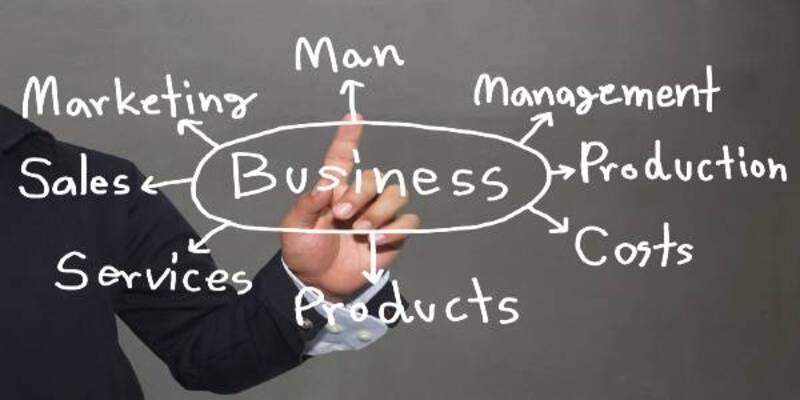
Numbers are important, but they do not provide the complete picture. Intangible variables can have a huge impact on a small business's value and ignoring them could cost you. Brand reputation, consumer loyalty, supplier ties and location are all factors that contribute to long term profitability.
For instance, a cafe with strong community ties and a loyal customer base may be more valuable than a similar sized cafe with no repeat customers. Likewise, a business with a solid online presence and positive reviews will naturally attract more buyers. Do not forget about intellectual property such as patents, trademarks, or proprietary software, which can add significant value. In short these intangibles can make the difference between a business that merely survives and one that thrives.
5. Red Flags that can Reduce a Business Value
Not all businesses opportunities in Manchester are as good as they appear on paper. As a buyer, you must be aware of any warning signs that may indicate difficulty. One big red flag is excessive reliance on a single customer or supplier; if that relationship expires; the organisation may fail. Another issue is inadequate record keeping; if the seller cannot present correct financials then it raises concerns about how well the business has been managed.
Other red flags include unexpected revenue drops, extremely high staff turnover, or antiquated equipment that requires costly improvements. Even legal challenges such as pending lawsuits or regulatory fines, can considerably decrease a company's value. Identifying these difficulties early on gives you the option of walking away or negotiating a cheaper price to mitigate risks. When purchasing a business, remember that due diligence is your best friend.
Wrapping Up
Valuing a small business is more than just crunching data; it's about seeing the big picture. Financial statements reveal past performance, valuation methods provide benchmarks, intangible factors indicate long term potential, and red flags alert you to concerns. By combining these variables, you can decide whether the business is worth the asking price and meets your investing objectives. After all, the right business at the right price might be the beginning of a prosperous entrepreneurial career.

Business commencement would necessitate careful planning, financial resources, and a sound understanding of the market landscape. However, not all entrepreneurs...

Nowadays, marketing is one of the most essential aspects of small companies. This is because even a high quality product or premium service needs some...








Business2Sell is one of the biggest and most trusted marketplaces for buying and selling businesses in the United Kingdom. Our website is visited by thousands of buyers and sellers daily, making it the most active and dynamic online platform for transactions. We are committed to providing our clients with advanced technology and value-for-money services.